 Paw Safety Check
Dog Paw Safety Guide
Conditions vary by surface (asphalt vs concrete), colour, shade, wind, and time of day. If your dog shows signs of distress or injury, contact a veterinarian.
Check your pavement temperature right now with the free paw safety checker.
1. The 7-Second Hand Check
2. Air Temperature vs Surface Temperature
Do not assume air temperature maps 1:1 to the ground. In direct sun, dark pavement can run far hotter than the surrounding air.
These figures are illustrative - actual surface temperature depends on sunlight, wind, surface material, and shading. The hand check remains the most reliable quick test.
3. Overheating and Heatstroke
Dogs cool themselves mainly through panting and increased blood flow to the skin. They can sweat a little through the paw pads, but this is limited. Heat illness can escalate quickly, especially in brachycephalic breeds, overweight dogs, older dogs, and dogs with thick or dark coats.
Watch for warning signs:
-
Breathing: excessive panting, noisy breathing, struggling to breathe. 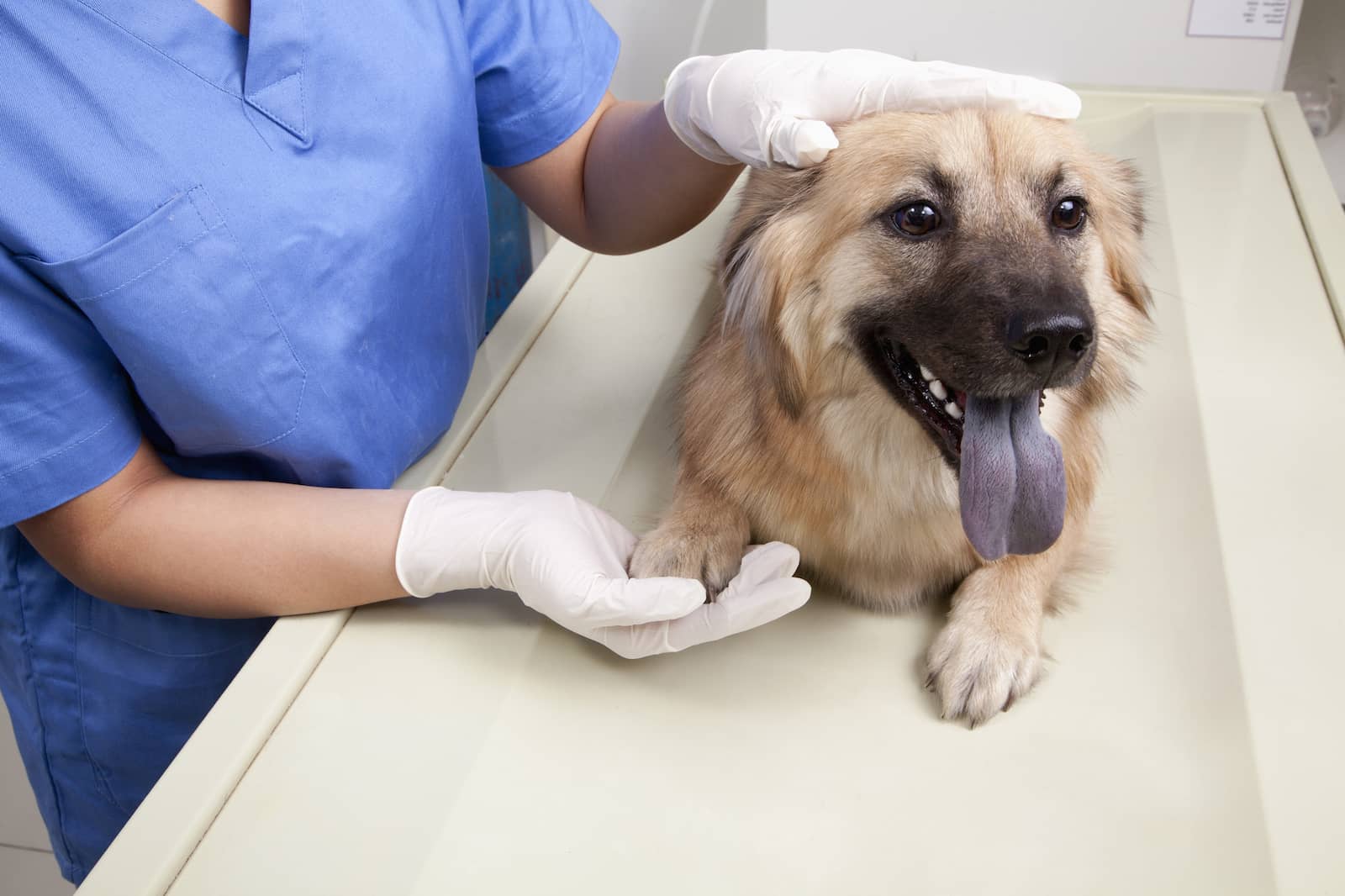
-
Mouth and gums: very red, pale, blue, or gray gums. 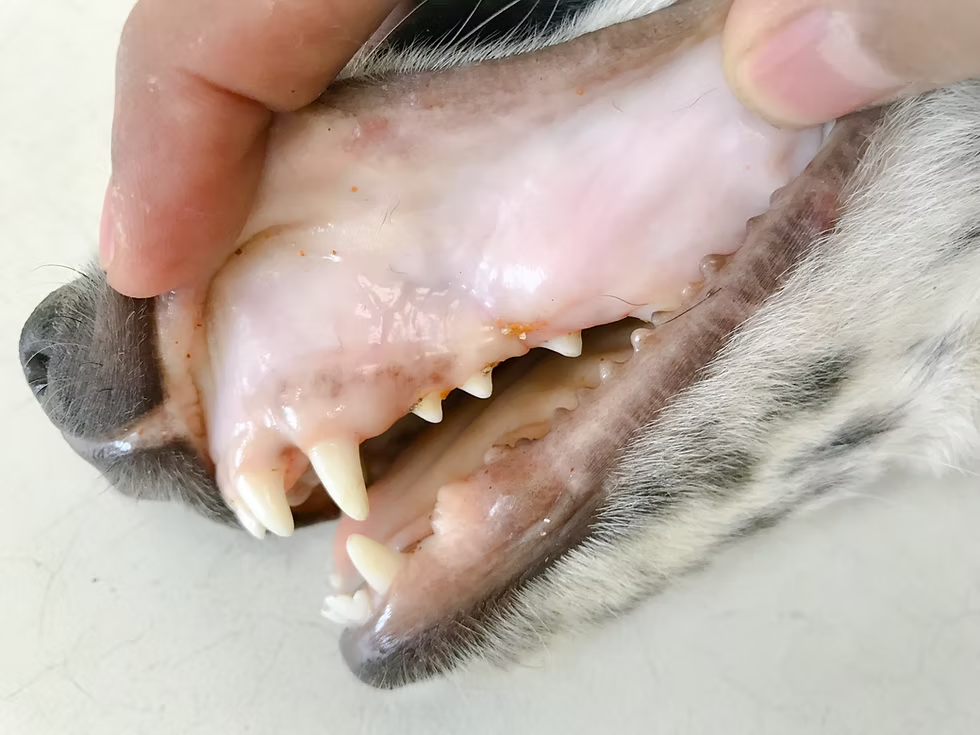
-
Saliva: thick drool. 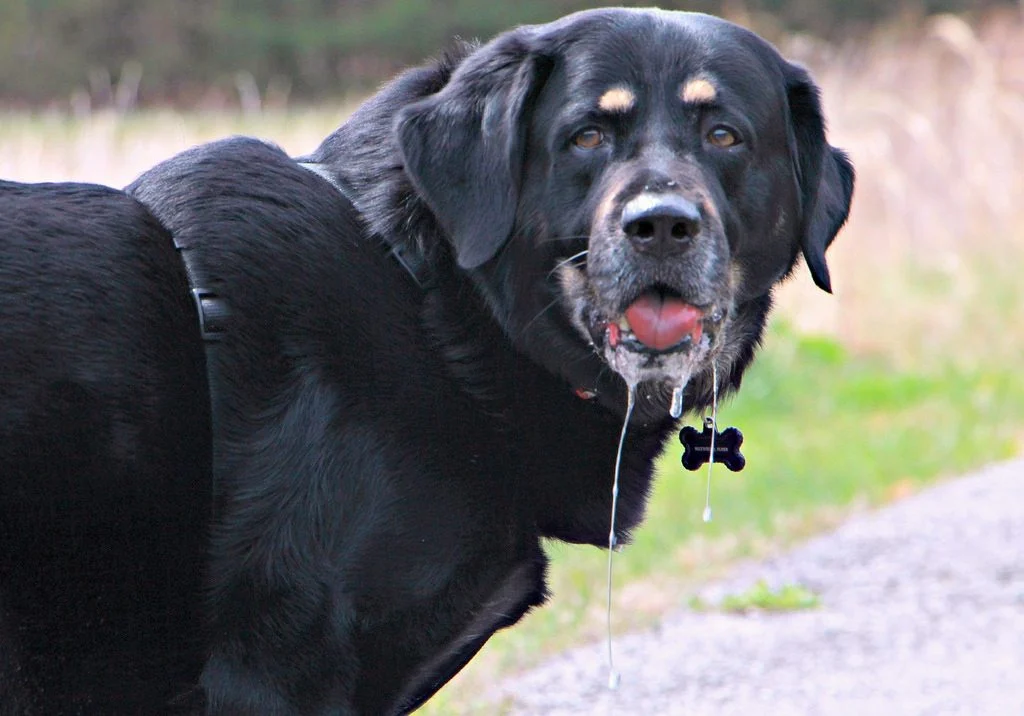
-
Behaviour: weakness, staggering, confusion, collapse, vomiting, diarrhea. 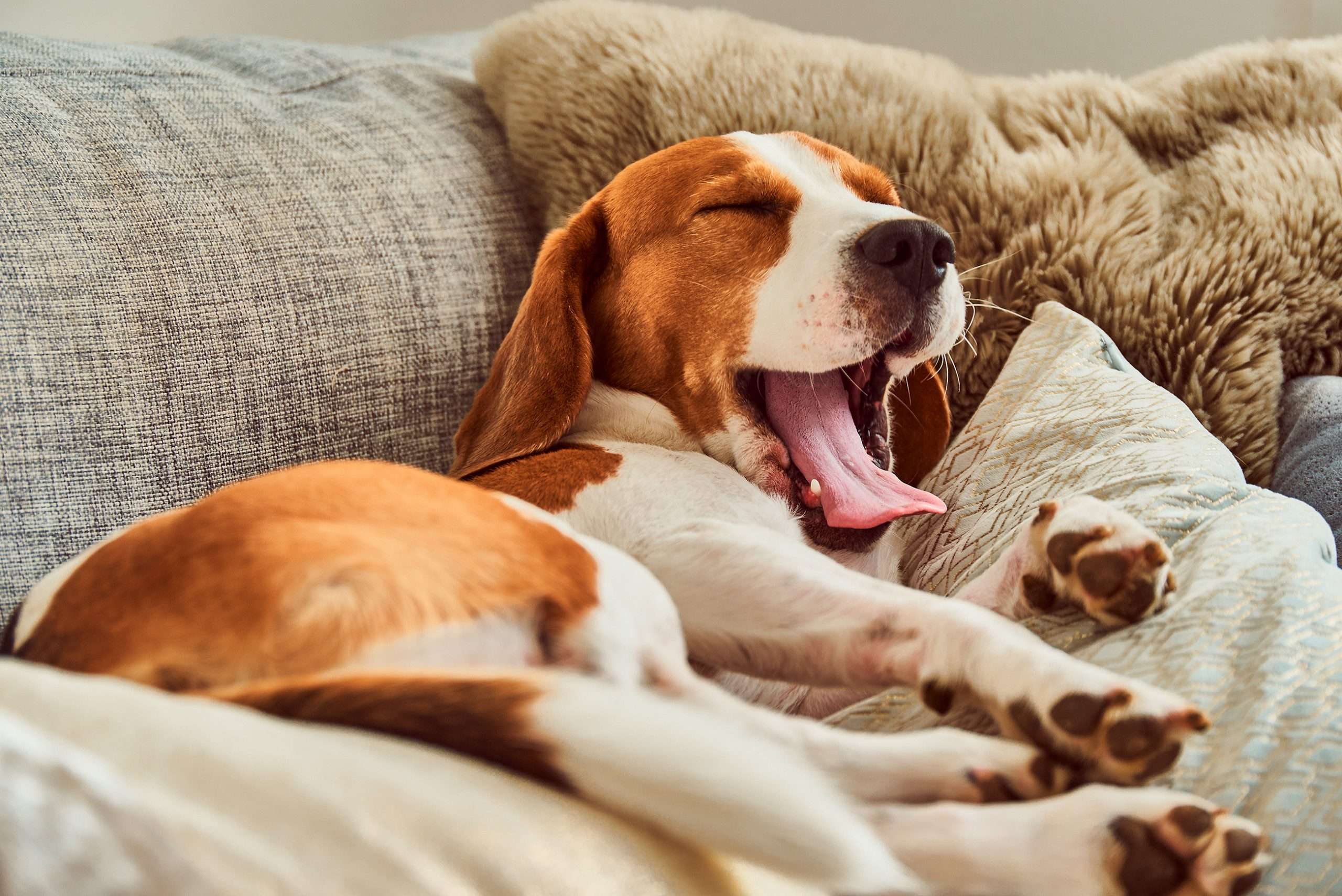
- Move to shade or indoors immediately.
- Start cooling with cool or lukewarm water on the body and use a fan if available.
- Offer small sips of water if the dog is alert - do not force drinking.
- Do not immerse in ice-cold water.
- Seek veterinary care urgently. Keep cooling during transport if possible.
- If you can measure temperature, discontinue active cooling around 39.7–40.0°C (103.5–104.0°F) to reduce overcooling risk.
4. Hot Pavement Paw Burns
Paw pads can blister or burn on hot surfaces. If your dog starts limping or looks uncomfortable, check the paws and stop the walk.
Common signs:
- Limping, refusing to walk, whining
- Licking or chewing paws
- Redness, swelling, darkening, or blistering on pads
- Move off the hot surface immediately.
- Cool the paw with cool running water or a cool compress.
- Do not apply creams that your dog may lick.
- Contact a veterinarian promptly if there is blistering, significant swelling, or ongoing pain.
5. Cold Weather and De-Icers
Cold conditions add two main issues: cold-related injury risk and chemical irritation from de-icers. Risk increases around freezing temperatures 0°C (32°F) and below, especially with long exposure, wind, and wet paws.
- De-icing salts and chemicals: can irritate paws and may be harmful if licked off.
- Antifreeze: toxic - prevent exposure and wipe paws and belly after walks.
- Frostbite risk: higher in wet or windy conditions and in dogs poorly adapted to cold.
- Wipe or rinse paws, then dry thoroughly.
- Inspect between toes for grit and cracks.
- Consider booties if your dog repeatedly reacts to salt or ice.
6. Best Times to Walk
Timing your walks can make a big difference for paw safety and overall comfort.
- Early morning (before 10 am): surfaces have cooled overnight and sun angle is low. Usually the safest window in summer.
- Evening (after 6 pm): air cools faster than pavement. Do the hand check - dark asphalt can hold heat well into the evening.
- Midday (11 am–3 pm): highest UV and surface temperatures. Avoid hard surfaces entirely on hot days.
- Overcast days: cooler surfaces, but still check - dark pavement absorbs heat even through cloud cover.
7. Surface Types Compared
Not all ground is equal. Surface material and colour heavily affect temperature.
- Grass and soil: stay close to air temperature thanks to moisture and transpiration.
- Light-coloured concrete: reflects more sunlight, typically 10–15°C cooler than dark asphalt.
- Dark asphalt: absorbs up to 90% of sunlight and can reach 60°C+ (140°F+) on a hot day.
- Metal (manhole covers, grates): heat up fast and can be even hotter than asphalt. Steer clear.
- Sand: can get extremely hot in direct sun, but shaded sand is usually comfortable.
8. Breed-Specific Considerations
Some dogs are more vulnerable to heat or cold than others.
- Brachycephalic breeds (Bulldogs, Pugs, French Bulldogs): compromised airways make cooling by panting less effective. Extra caution in any warmth.
- Small and toy breeds: closer to the ground, absorbing more radiated heat. Also chill faster in cold weather.
- Thick or double-coated breeds (Huskies, Malamutes, Samoyeds): better insulated against cold but overheat more easily in summer. Never shave a double coat - it insulates both ways.
- Senior dogs and puppies: less able to regulate body temperature. Shorter, gentler walks are safer.
- Dark-coated dogs: absorb more solar radiation and heat up faster than light-coated dogs.
9. Paw Protection Tips
- Dog booties: the most reliable protection from hot pavement, ice, salt, and rough terrain. Let your dog adjust to them gradually.
- Paw wax or balm: creates a protective barrier against hot surfaces and salt. Apply before walks, not as a substitute for the hand check.
- Stick to grass and trails: whenever possible, choose natural surfaces over pavement.
- Regular paw inspections: check between toes for cracks, cuts, foreign objects, and redness after every walk.
- Keep nails trimmed: overgrown nails alter gait and can cause extra paw pad wear.
- Hydration: always carry water for your dog on longer walks, especially in heat.
10. Sources
- Royal Kennel Club: hot pavements and the 7-second check
- AKC: hot pavement guidance and reported air vs asphalt example
- AKC: dogs sweat (limited, mainly paw pads)
- RSPCA: keeping dogs safe in the heat
- Merck Veterinary Manual: what to do in an emergency (heat)
- Today's Veterinary Practice: heatstroke cooling approach and stop-cooling range
- Merck Veterinary Manual: winter safety and frostbite risk factors
- ASPCA: de-icers and paw safety
- AAHA: signs of paw pad burns
- RSPCA: winter care (wipe paws and remove rock salt, grit, antifreeze)